
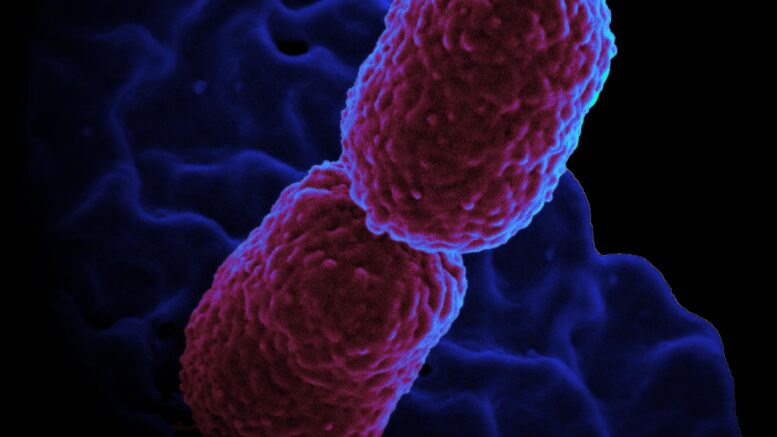
Over 70 per cent of bloodstream infections in Africa with two common bacteria are now resistant to mainstay antibiotics, according to the latest WHO report.
As part of its latest Global Antimicrobial Resistance and Use Surveillance System (GLASS), the WHO says that around half of bloodstream Escherichia coli and Klebsiella pneumoniae infections are resistant to fluoroquinolones and third-generation cephalosporines worldwide, rising to over 70 per cent in the WHO Africa region.
It says the Africa results are “especially concerning”.
José Bengoechea, dean of the Faculty of Infectious and Tropical Diseases at the London School of Hygiene and Tropical Medicine (LSHTM), said: “In the case of Klebsiella, there is evidence showing that the microbe is even becoming more competent to evade our defences.
“This makes it imperative to better understand the various Achilles heels of our defences, and thereby more precisely shore-up these vulnerable hot spots by novel treatments.”
Antimicrobial resistance (AMR) develops when bacteria evolve to survive exposure to drugs used to kill them. Many drug-resistant strains are increasingly being found across different regions of the world.
“Sequencing the genomes of these microbes lets us peek underneath these headline resistance rates,” said Kat Holt at LSHTM. “And shows us that while each country has their own unique set of bacterial strains and genes that cause resistant infections, there are also some globe-trotting strains.
“This is one reason that global coordination is essential to tackle AMR.”